
The bathroom shelf is the new coffee table
The smallest objects in the home have quietly become its most considered. On mouthwash with an author, toothpaste with a memory, and why the mirrored cabinet is losing the argument.
Every home has a surface that tells the truth. For a long time it was the coffee table: the art book angled just so, the candle that is never lit, the bowl that holds nothing at all. It is a stage set for guests, arranged around who we would like to be. The bathroom shelf is different. Almost no one sees it, it is used every single day, and it is arranged, if at all, at seven in the morning by someone only half awake. Which is exactly why it has become the most interesting surface in the house.
The cabinet loses the argument
For most of the last century, the bathroom was designed to hide things. The mirrored cabinet swallowed everything: the half-squeezed tube, the plastic bottle in a colour nobody chose, the brand bought because it happened to be on offer. Products were made to shout from the shelf of a shop, not to live quietly on the shelf of a home.
What changed is not that we suddenly started caring about toothpaste. It is that a small number of brands began to treat the things we use with wet hands, at the beginning and end of every day, with the seriousness usually reserved for a chair or a lamp. Once a few of those objects arrived, the cabinet door started to stay open. Then, in more and more homes, it came off altogether.
Flavour as authorship
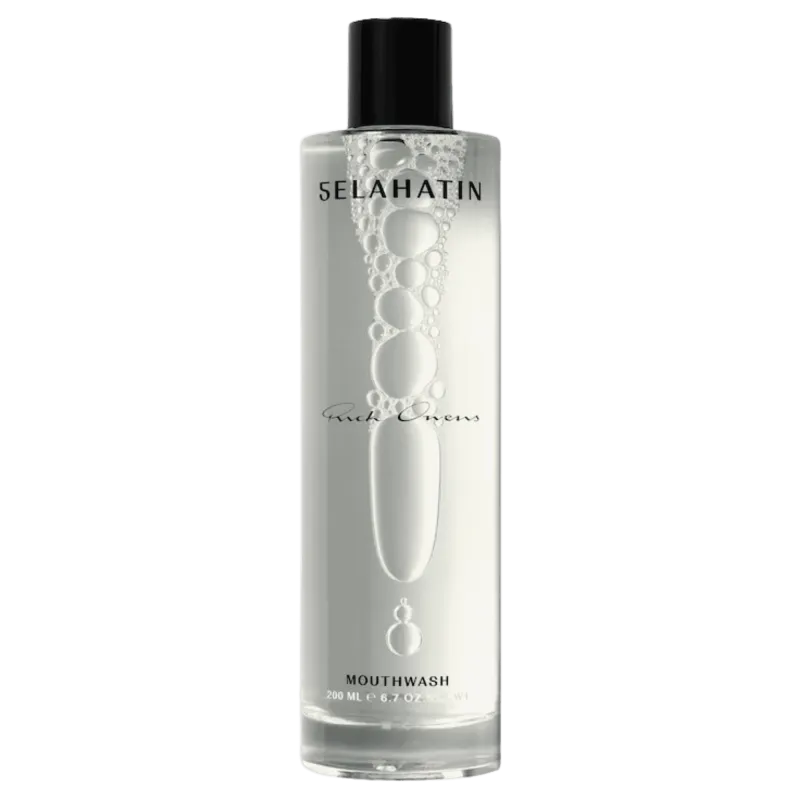
Take mouthwash, perhaps the least romantic product in the house. The Swedish house Selahatin made one with Rick Owens, and the result reads more like a fragrance brief than an oral-care formula: verbena, Madagascar vanilla and Sichuan pepper, followed by juniper, dark citrus, rosemary, black pepper and peppermint. It leaves a cool, metallic finish instead of the familiar blast of mint. You may not want to taste brutalism first thing in the morning, but you will notice that somebody decided what it should taste like.
Its Snowfall toothpaste goes further still. It was built around Kristoffer Vural’s memory of Swedish winters, the hush of snow-darkened streets translated into peppermint, sweet mint and menthol. A toothpaste with a memory sounds like an absurd idea until you use one. Then the generic tube begins to feel like a missed opportunity.
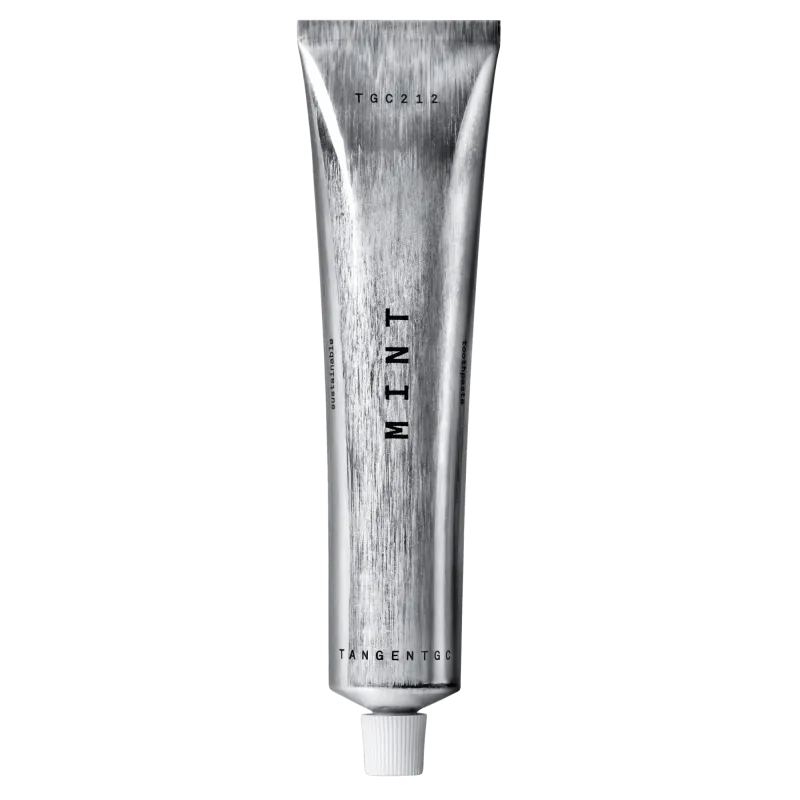
Tangent GC reaches the same place by the opposite route. Its TGC212 is made in Sweden with oat oil, mild surfactants and 1,450ppm fluoride, formulated for sensitive mouths and packed in an aluminium tube. No story, no collaboration, only a restrained flavour and a container disciplined enough to leave out on the shelf.
A coffee table tells guests who you would like to be. A bathroom shelf tells the truth about who you are at seven in the morning.
The pump bottle as architecture
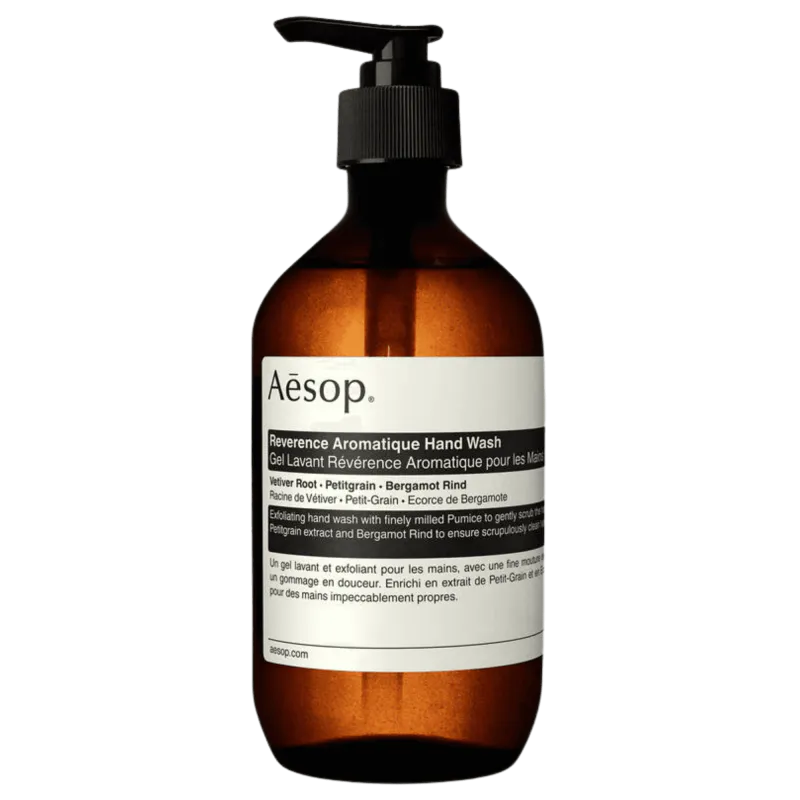
Aesop understood this earlier than most. Its amber bottles have become so familiar beside basins in restaurants and hotels that they now work almost as a signal: someone here paid attention. Yet the bottle is only half of it. Reverence Aromatique Hand Wash contains finely milled pumice, so it feels grainy rather than slippery, and it smells of vetiver, petitgrain and bergamot, woody and faintly smoky. Washing your hands becomes something tactile, close to ceremonial.
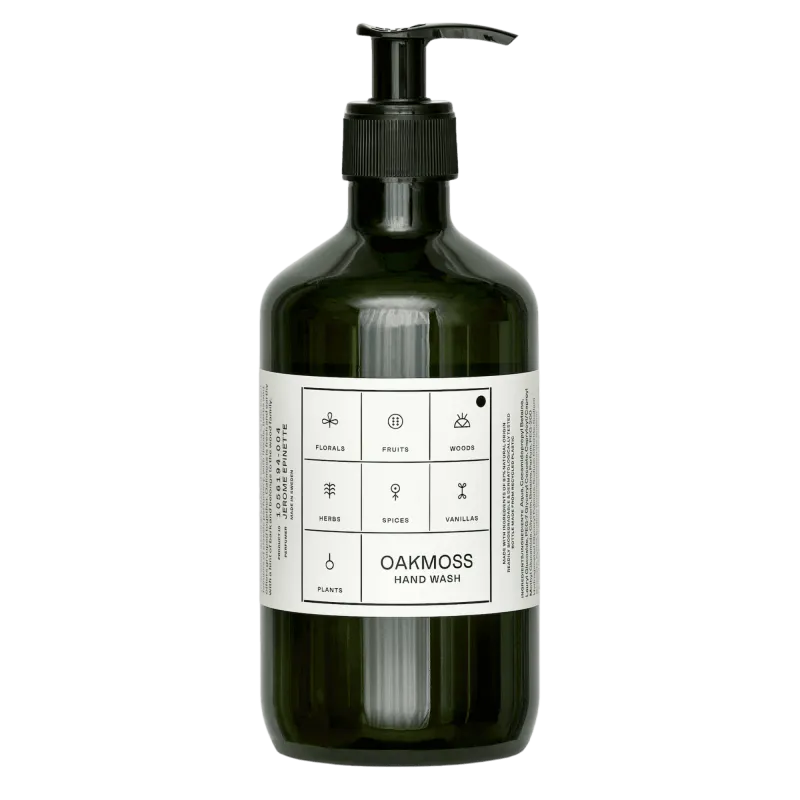
ARKET’s Oakmoss Hand Wash, made in Sweden, works in a quieter register: mandarin and basil over bamboo, violet, patchouli and tree moss, in a dark bottle with a small grid of symbols on its label. It smells green rather than cosmetic, which is a useful test for anything that lives by the sink.
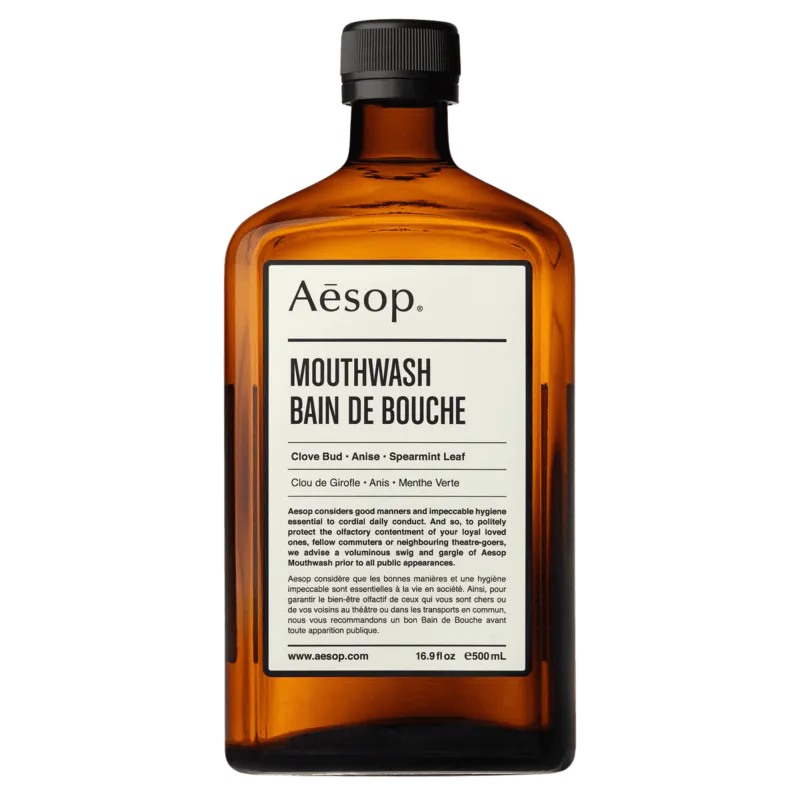
And then there is Aesop’s Mouthwash, alcohol-free, with spearmint, anise and clove, in a 500 ml bottle with the proportions of an old apothecary flask. It is the kind of object that makes the plastic alternative look less like a choice and more like an oversight.
Machines with manners
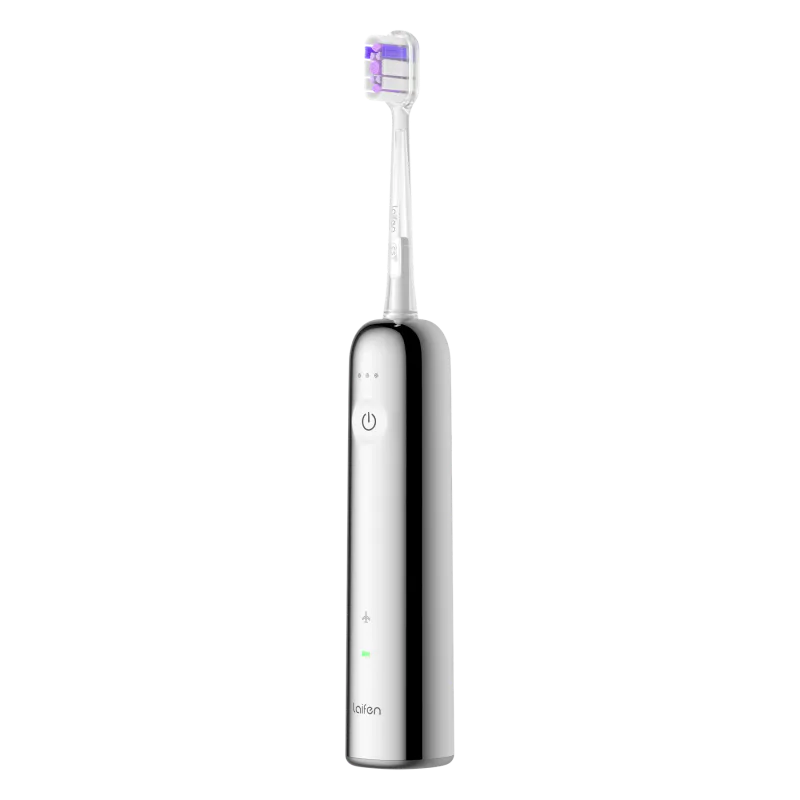
The shift is not only about bottles. Bathroom technology used to mean white plastic and a blue light. Laifen’s Wave Pro is an electric toothbrush in polished stainless steel. Its head swings through 60 degrees while vibrating at up to 66,000 times a minute, a pressure sensor slows the motor when you press too hard, and a single charge lasts about 70 days. It looks less like an appliance than a well-made pen.
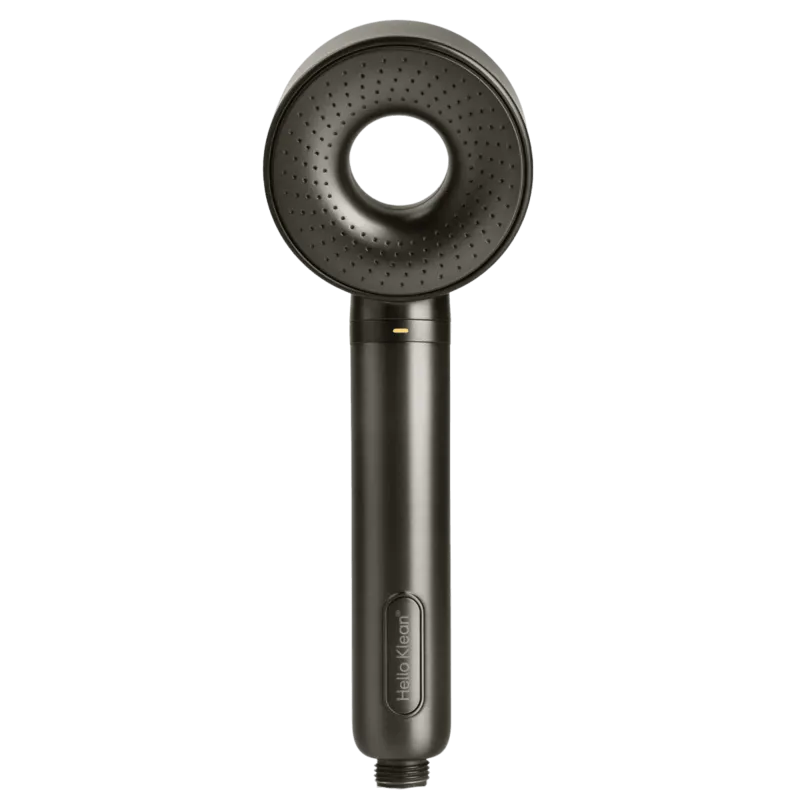
Hello Klean’s Shower Head+ is stranger and more interesting. A hydropowered unit inside measures how much water actually flows through it, so its three-stage filter is replaced when it is genuinely spent rather than on a guessed date. A small light warns when the water runs above 42°C. It is the rare piece of bathroom hardware that reports on itself.
Fewer things, chosen once
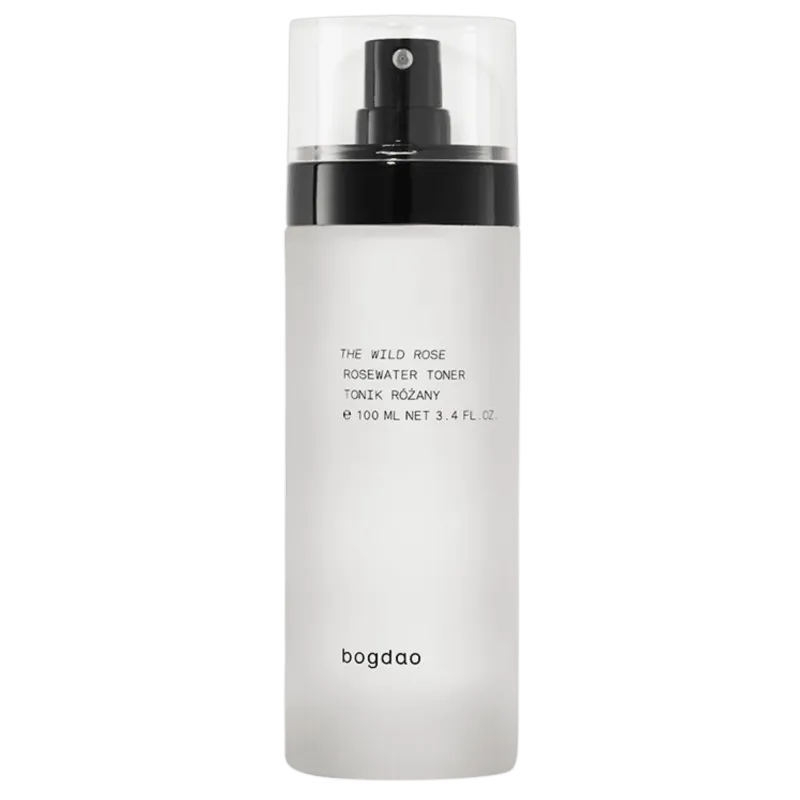
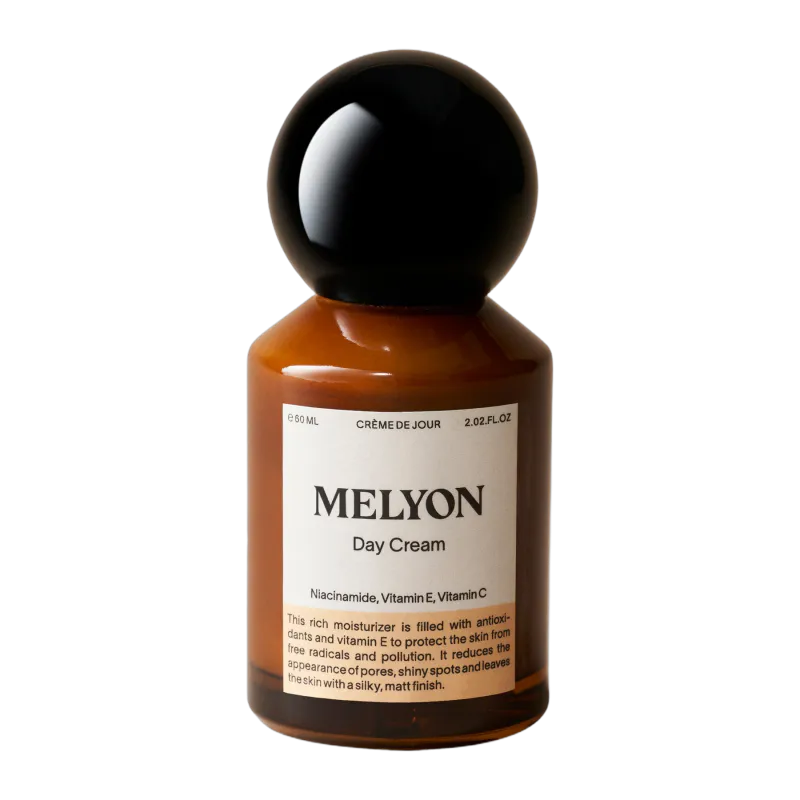
None of this is an argument for buying more. If anything, the opposite. A shelf that stays on view forces an edit: five things chosen deliberately instead of fifteen collected by accident. BOGDAO’s The Wild Rose, a rose mist from Poland made without added fragrance, earns its place by doing one quiet thing well. Melyon’s Day Cream, from Stockholm, arrives in amber glass under a black spherical cap. Vegan and meant for every skin type, it looks as though it was always meant to be seen.
The coffee table will always be a performance, and there is nothing wrong with that. But the bathroom shelf is where taste stops being a statement and becomes a habit. Twice a day, with no audience at all, you reach for something. It might as well be something good.
On the shelf
- 01
Rick Owens × Selahatin Mouthwash
The collaboration that proves mouthwash can have an author. Cool, metallic and unlike anything else in the cabinet.
- 02
TGC212 Mint Toothpaste
Restraint as a design decision: oat oil, a formula for sensitive mouths and an aluminium tube disciplined enough to leave out.
- 03
Reverence Aromatique Hand Wash
Pumice, vetiver and bergamot. The hand wash that turns the sink into a small ceremony.
- 04
Oakmoss Hand Wash
Green rather than cosmetic, and made in Sweden. A quieter companion to the amber bottles.
- 07
Shower Head+
Filters replaced on actual use rather than on a calendar. Hardware that keeps its own records.